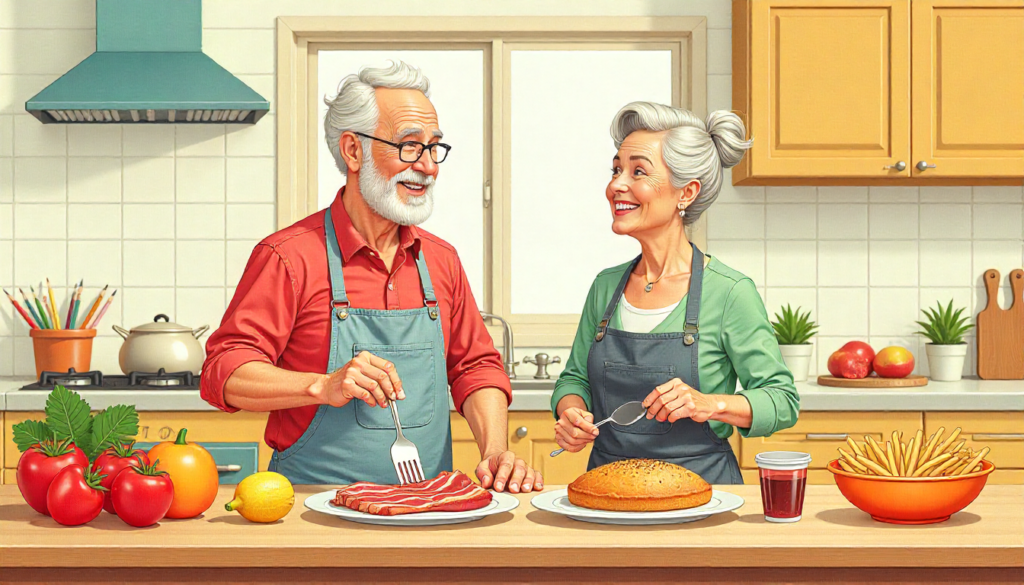

A practical, research-backed guide for older adults focused on real health, not celebrity hype.
Every few months, celebrity headlines appear saying someone “begs seniors to avoid” a particular food. Most of these claims are exaggerated. But the core idea behind these warnings is real: as we age, the body becomes less efficient at processing certain ingredients—especially those that contribute to inflammation, blood sugar spikes, or heart strain.
This article clears the noise and focuses on three categories of foods that health experts consistently advise seniors to limit. These recommendations are based on nutrition science, not celebrity quotes. Seniors looking to protect heart health, reduce joint pain, manage weight, or prevent diabetes may find these guidelines especially useful.
To make this practical, each section explains:
- What the food does to the body
- Why seniors in particular should be cautious
- Healthier replacements
- Real-world examples
Let’s break it down.
1. Ultra-Processed Meats (Bacon, Hot Dogs, Sausage)
Why Seniors Should Be Careful
Ultra-processed meats contain high sodium, preservatives, and saturated fat. For seniors, these directly affect two major health concerns:
- Blood pressure
- Heart and artery health
The American Heart Association has repeatedly found a strong link between processed meats and increased cardiovascular risk. High sodium intake also leads to water retention, swelling, and increased strain on the kidneys—organs that naturally become less efficient with age.
Common Reader Question: “Is occasional bacon okay?”
Occasional small portions won’t harm most people. The concern is daily or frequent intake, which slowly increases inflammation and risks over decades.
Healthier Alternatives
- Fresh lean meats (chicken breast, fish)
- Beans and lentils
- Low-sodium turkey slices
These swaps help reduce long-term cardiovascular strain while providing good protein.
2. Sugary Foods and Drinks (Sodas, Pastries, Sweetened Cereals)
Why Seniors Should Be Cautious
Sugar doesn’t just affect weight—it’s heavily connected to type 2 diabetes, fatty liver, and joint inflammation. With age, the body becomes less effective at controlling blood glucose because of reduced insulin sensitivity.
High-sugar foods cause:
- Fast blood sugar spikes
- Energy crashes
- Higher risk of chronic inflammation
- Potential acceleration of cognitive decline, according to emerging research
Real-World Example
A senior who drinks one can of soda daily consumes around 30–40 grams of added sugar—more than the recommended limit for the entire day.
Healthier Alternatives
- Sparkling water infused with lemon or berries
- Unsweetened yogurt with fresh fruit
- Cereals with low added sugar
These replacements stabilize energy levels and reduce insulin load.
3. Deep-Fried Foods (French Fries, Fried Chicken, Pakoras)
Why Seniors Should Limit Deep-Fried Foods
Deep-fried foods are cooked in oils repeatedly heated to high temperatures. This creates trans fats and compounds linked to inflammation and oxidative stress—major contributors to heart disease and joint pain.
Seniors often deal with:
- Arthritis
- Reduced mobility
- Higher cardiovascular sensitivity
Deep-fried foods can worsen these issues by increasing inflammation markers and adding unnecessary calories.
“Do air fryers solve the issue?”
Air fryers reduce oil intake significantly, making them a much better option, though not perfect. It’s still important to avoid overusing high-sodium coatings or pre-fried frozen items.
Healthier Alternatives
- Air-fried vegetables
- Grilled chicken
- Steamed or baked snacks
These provide crisp textures without harmful oils.
Additional High-CPC Topics Naturally Connected to Senior Nutrition
To give seniors a more complete perspective, here are related high-value informational areas frequently searched online:
1. Health Insurance Tips for Seniors
Chronic conditions like diabetes or heart disease can increase medical costs. Seniors benefit from comparing supplemental insurance plans, preventive care coverage, and wellness programs.
2. Digital Health Tools
Apps that track glucose, heart rate, or medications can significantly improve daily health management. Cybersecure medical apps and cloud-based health monitoring systems are trending and have high informational value.
3. Long-Term Financial Planning
Managing healthcare expenses, life insurance, and retirement savings often becomes critical in later years. Seniors should evaluate:
- Low-interest personal loans for medical emergencies
- Long-term care insurance
- Estate planning and trust creation
4. Nutrition Coaching and Online Certifications
Seniors interested in health can also explore online nutrition courses or community wellness programs to stay informed.
Conclusion: A Simple Rule Seniors Can Follow
Most celebrity “food warnings” are just headlines. But the science is consistent:
Ultra-processed meats, sugary foods, and deep-fried items are genuinely worth limiting—especially for seniors.
Choosing fresher, lighter, and lower-sodium alternatives helps:
- Improve energy
- Protect heart health
- Reduce inflammation
- Support long-term mobility
Healthy eating doesn’t require giving up favorites—it’s about shifting habits toward foods that support a stronger, steadier life in the years ahead.