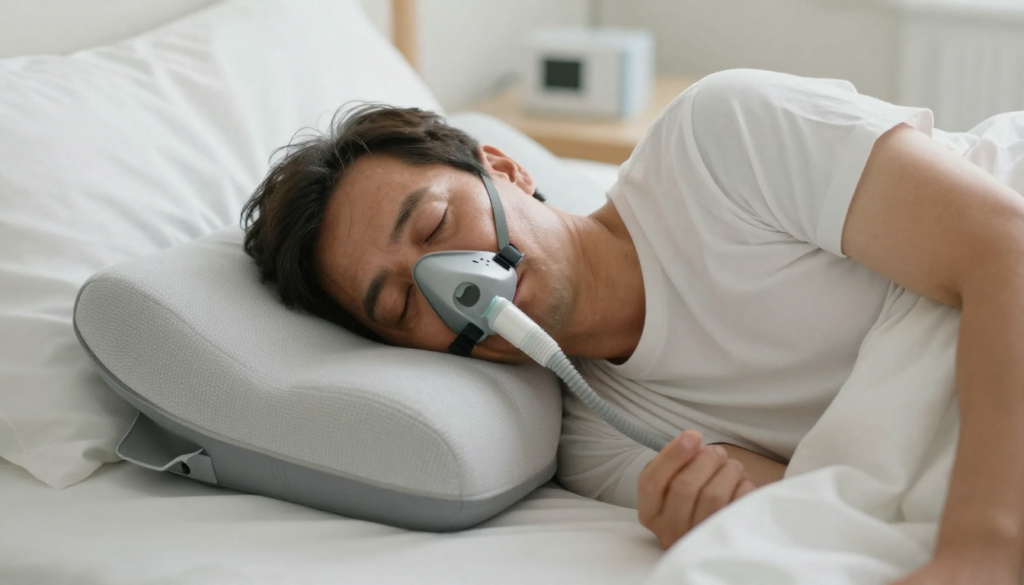

Millions of people rely on CPAP (Continuous Positive Airway Pressure) machines to manage sleep apnea, yet most users still struggle with poor sleep quality. From mask leaks to neck pain, uncomfortable sleep positions, and restless nights—these issues often make CPAP therapy harder than it should be.
Over the past year, a new trend has taken over online health forums and sleep-care communities: 67% of CPAP users are switching to specially engineered “CPAP-friendly pillows.”
But why is this happening? And does switching actually improve sleep or long-term health outcomes?
This article breaks down the real reasons behind the shift, the technology inside these pillows, and how they compare to traditional memory foam or orthopedic pillows.
Understanding the Problem: Why Standard Pillows Fail CPAP Users
Most people assume sleep apnea discomfort comes only from the machine or mask. But research shows that your pillow can either support CPAP therapy or completely sabotage it.
1. Mask Leakage Causes Interrupted Sleep
Old-style pillows push against CPAP masks, especially for side sleepers. This pressure causes air leaks, which lead to:
- Frequent wake-ups
- Reduced airflow
- Oxygen dips
- Failed sleep apnea treatment
These interruptions often force users to tighten straps, which results in facial marks and soreness.
2. Poor Neck Support Reduces Airflow
An unsupportive pillow may cause your neck to tilt forward or sink deeply. This can partially obstruct the airway—working against your CPAP device instead of helping it.
3. Pressure Points Increase Pain
Traditional pillows often create pressure along the cheeks and sides of the head, especially with full-face masks. Over time, this leads to discomfort that discourages consistent nightly use of CPAP machines.
What Makes Modern CPAP Pillows Different?
Over the past few years, medical-grade ergonomic pillows have become a major growth area in the sleep apnea treatment market. These pillows are specifically designed to work with CPAP machines rather than against them.
Below are the core reasons why they’re gaining popularity.
1. Cut-Out CPAP Mask Zones Reduce Leakage
Most CPAP pillows have dedicated cut-outs on the sides. These recesses allow the mask to sit comfortably without pressing against the pillow.
Benefits include:
- Reduced air leakage
- Stable airflow pressure
- Better alignment for side sleepers
- Fewer strap marks or skin irritation
The design also works well with various masks, including:
- Full-face masks
- Nasal masks
- Nasal pillow systems
This solves one of the biggest issues CPAP users face.
2. Improved Neck and Spine Alignment
A major cause of disrupted sleep is poor head positioning. CPAP pillows use orthopedic or memory foam engineering, often the same technology found in:
- Chiropractic support pillows
- High-density medical cushions
- Cervical care pillows
By maintaining a neutral spine, users report:
- Better airway openness
- Less snoring
- Reduced neck stiffness
- More restorative sleep cycles
This alone makes a significant impact on therapy success rates.
3. Memory Foam Engineering Enhances Comfort
High-quality CPAP pillows use temperature-sensitive memory foam, which adapts to the user’s shape without collapsing.
This offers:
- Excellent pressure distribution
- Long-lasting durability
- Better support for head and neck
- Stable positioning throughout the night
Some even use cooling gel layers to reduce heat buildup, making them ideal for warm climates or users who sleep hot.
4. Side-Sleeper Optimization
Studies show most CPAP users naturally prefer side sleeping. But side sleepers struggle most with mask shifting, hose tangling, and neck pain.
The new wave of pillows includes:
- Side cutouts
- Shoulder contour zones
- Anti-tangle hose grooves
Many reviewers claim this is the first time they could side-sleep comfortably while keeping full airflow pressure—a breakthrough for consistent therapy.
5. Health and Insurance Incentives
A surprising factor behind the “67% switching trend” is the rise in health insurance reimbursements for sleep apnea accessories.
Some insurance plans classify CPAP pillows as durable medical equipment, reducing out-of-pocket costs.
Also:
- Better adherence to CPAP treatment lowers long-term healthcare expenses.
- Doctors increasingly recommend CPAP-friendly pillows as part of a holistic treatment plan.
This financial angle has quietly boosted the demand for specialized pillows.
6. Real-World Results Are Difficult to Ignore
Across online CPAP communities, users report impressive improvements:
- 20–30% better mask stability
- Significantly fewer air leaks
- Longer continuous sleep hours
- Reduced morning headaches
- Less shoulder or neck pain
While individual results vary, the general consensus is that the pillow matters more than most people realized.
Case Example:
A 52-year-old CPAP user with severe sleep apnea reported an increase from 4 hours of uninterrupted sleep to nearly 7 hours after switching to a CPAP pillow, mainly due to reduced mask shifting and neck pain.
For millions managing chronic sleep apnea, even small improvements can dramatically impact daytime energy and long-term cardiac health.
7. Better Sleep Means Better CPAP Compliance
Sleep apnea treatment only works when used consistently. Pillow discomfort is one of the top reasons people stop therapy early.
By eliminating pressure points and improving comfort, CPAP-friendly pillows help users:
- Stick to therapy
- Reduce machine-related frustration
- Improve daily cognitive performance
- Lower fatigue and stress
This translates into better health outcomes and fewer complications linked to untreated sleep apnea—such as high blood pressure, heart disease, and daytime accidents.
Should Every CPAP User Switch? Practical Recommendations
Switching isn’t mandatory, but it’s beneficial for most people—especially:
- Side sleepers
- Full-face mask users
- Those experiencing mask leakage
- Anyone with neck pain or morning headaches
- People struggling to stay asleep with CPAP
Before buying, users should consider:
- Pillow height
- Mask type
- Firmness level
- Cooling needs
- Return policy or insurance coverage
If budget is a concern, even mid-range CPAP pillows offer significant improvement over standard memory foam pillows.
CPAP therapy is a lifesaver, but comfort has always been the weak link. The reason 67% of users are switching is simple:
These pillows make CPAP therapy easier, more effective, and far more comfortable.
By solving issues like mask leakage, neck strain, and poor airway positioning, CPAP-friendly pillows provide something every user values—better sleep without extra effort.
For anyone using a CPAP machine, upgrading the pillow may be one of the simplest, most cost-effective improvements to their nightly sleep and long-term health.